
What to Expect in Maryland Firearm Training Courses
- Jeffrey McCoy
- Oct 27, 2025
- 4 min read
When considering firearm training in Maryland, it is important to understand what the courses entail, the skills you will learn, and the legal requirements involved. Whether you are a first-time gun owner or looking to renew your knowledge, Maryland firearm training courses provide essential education on safety, handling, and state laws. This guide will walk you through what to expect from these courses and how they prepare you for responsible firearm ownership.
Overview of Maryland Firearm Training
Maryland firearm training courses are designed to equip participants with the knowledge and skills necessary to handle firearms safely and legally. These courses typically cover a range of topics including firearm safety rules, proper handling techniques, maintenance, and Maryland-specific laws regarding firearm possession and use.
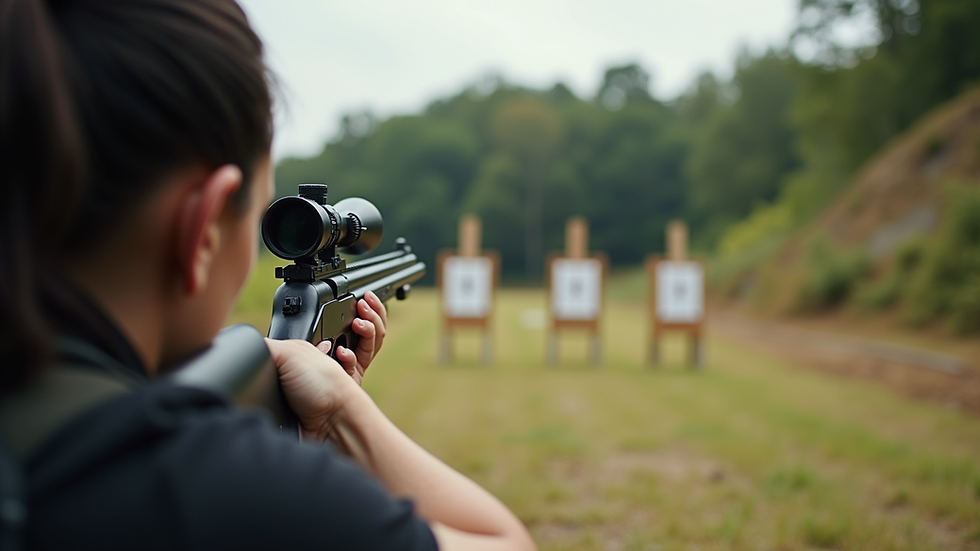
Training sessions often include both classroom instruction and hands-on practice at a shooting range. The classroom portion focuses on theory, legal responsibilities, and situational awareness, while the range time allows students to practice shooting under supervision.
Key components of Maryland firearm training include:
Understanding firearm types and functions
Safe loading, unloading, and storage practices
Marksmanship fundamentals and shooting techniques
Maryland firearm laws and regulations
Self-defense principles and use-of-force guidelines
What Maryland Firearm Training Covers
Maryland firearm training courses are comprehensive and structured to ensure participants gain confidence and competence. Here is a breakdown of what you can expect to learn:
Firearm Safety
Safety is the cornerstone of any firearm training. You will learn the four fundamental safety rules:
Treat every firearm as if it is loaded.
Never point the firearm at anything you do not intend to shoot.
Keep your finger off the trigger until ready to fire.
Be sure of your target and what is beyond it.
Handling and Operation
You will be taught how to properly handle firearms. This includes:
How to safely load and unload
Proper grip and stance
Aiming and firing techniques
Clearing malfunctions
Maryland Firearm Laws
Understanding state laws is critical. Maryland has specific regulations regarding:
Firearm registration and permits
Restrictions on certain types of firearms and magazines
Carrying firearms in public places
Use of force and self-defense laws
Practical Shooting Skills
Hands-on training at the range helps build shooting accuracy and confidence. Instructors provide feedback on:
Trigger control
Sight alignment
Recoil management
Shooting from different positions
Emergency Situations and Self-Defense
Courses often include scenarios to help you understand when and how to use a firearm in self-defense situations legally and responsibly.
If you are interested in taking maryland concealed carry classes, these topics will be covered in detail to prepare you for the Maryland Handgun Qualification License (HQL) requirements.

Can I get my Maryland CCW permit online?
Many people wonder if it is possible to obtain a Maryland Concealed Carry Weapon (CCW) permit online. The answer is no - Maryland requires in-person training and application processes to ensure applicants meet all legal and safety standards.
The Maryland CCW permit process involves:
Completing a state-approved firearm training course
Passing a test and live-fire qualification
Submitting fingerprints and background checks
Creating an account online with the MD State Police's Licensing Division's website and applying for your Handgun Permit (HGP)
Online courses may offer theoretical knowledge, but the state mandates hands-on training and live-fire qualification to issue a CCW permit. This ensures that permit holders are competent and understand the responsibilities of carrying a concealed weapon.
Tips for Choosing the Right Maryland Firearm Training Course
Selecting the right training course is crucial for a positive learning experience. Here are some tips to help you choose:
Certification: Ensure the course is approved by Maryland authorities for HQL or CCW requirements.
Instructor Experience: Look for certified instructors with law enforcement or military backgrounds.
Class Size: Smaller classes allow for more personalized instruction and safety.
Facilities: Check if the range and classroom facilities are well-maintained and equipped.
Reviews: Read testimonials from past students to gauge course quality.
Course Content: Confirm the course covers both legal and practical aspects of firearm use.
By choosing a reputable course, you will gain the skills and knowledge needed to handle firearms safely and comply with Maryland laws.
What to Bring and Prepare for Your Training
To make the most of your Maryland firearm training, come prepared with the following:
Valid photo ID
Comfortable clothing suitable for range activities
Notebook and pen for taking notes
Any required course fees or paperwork
If you own a firearm, check with the training provider whether you should bring your own or if firearms will be provided. Some courses require you to bring your own handgun for the live-fire portion, but with Ready To Defend 365 we will provide the use of firearm and ammo. If you want to bring your own you can, but please bring it unloaded and let an instructor know that you brought your own. They will perform a clearance check for safety purposes. Having your magazines already loaded will save time.
Arriving early and being attentive during the course will help you absorb the material and perform well during practical exercises.
Continuing Education and Practice
Firearm training is not a one-time event. To maintain proficiency and stay updated on laws, consider:
Attending refresher courses annually
Practicing regularly at shooting ranges
Following Maryland legislative updates on firearm laws
Joining local shooting clubs or training groups
Ongoing education helps ensure you remain a responsible and skilled firearm owner.
Maryland firearm training courses provide essential knowledge and skills for safe and legal firearm ownership. By understanding what to expect and preparing accordingly, you can confidently complete your training and meet state requirements. Whether you are pursuing a concealed carry permit or simply want to improve your firearm handling, these courses are a valuable investment in your safety and responsibility.


Comments