
Understanding the Basics of Concealed Carry
- Jeffrey McCoy
- Oct 13, 2025
- 4 min read
Carrying a firearm concealed on your person is a responsibility that requires knowledge, preparation, and respect for the law. Whether you are considering obtaining a permit or simply want to understand the fundamentals, this guide will walk you through the essential aspects of concealed carry. From legal requirements to practical tips, you will gain a clear understanding of what it means to carry a concealed weapon safely and legally.
What You Need to Know About Concealed Carry
Concealed carry refers to the practice of carrying a firearm in a hidden manner, typically on your body or in your clothing, so it is not visible to others. This is different from open carry, where the firearm is carried openly and visibly.
Legal Requirements
Each state has its own laws regarding concealed carry. Generally, you must:
Be of legal age (usually 21 or older)
Pass a background check
Complete a firearms safety course
Apply for a permit or license
Understanding these requirements is crucial before you decide to carry concealed. Failure to comply with local laws can result in serious legal consequences.
Choosing the Right Firearm and Holster
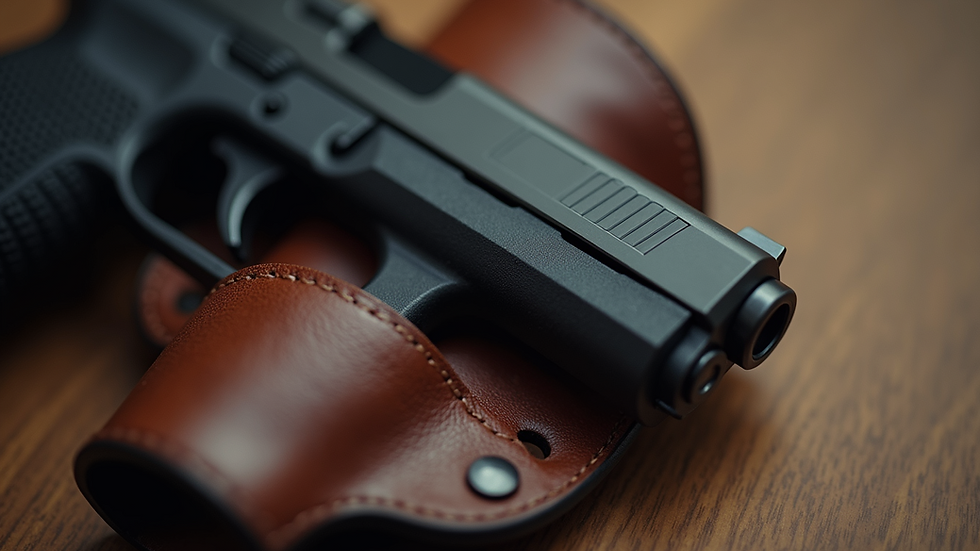
Selecting the right firearm for concealed carry depends on your comfort, skill level, and intended use. Common choices include compact pistols and revolvers. Equally important is the holster, which should securely hold the firearm while allowing quick access.
Look for holsters made of durable materials like Kydex or leather
Ensure the holster covers the trigger guard for safety
Consider comfort and concealability when choosing the holster style
Safe Handling and Storage
Safety is paramount when carrying a concealed weapon. Always follow these guidelines:
Keep your finger off the trigger until ready to shoot
Be aware of your surroundings and potential threats
Store your firearm securely when not in use, using a lockbox or safe
Regular practice and training will help you maintain proficiency and confidence.
Understanding Concealed Carry Laws and Regulations
Concealed carry laws vary widely across the United States. Some states have "shall-issue" policies, meaning permits must be issued if the applicant meets the criteria. Others have "may-issue" policies, where authorities have discretion in issuing permits.
Reciprocity and Travel
If you plan to travel with your firearm, it is essential to know which states recognize your permit. Many states have reciprocity agreements, but these can change frequently.
Always check the current laws before traveling
Carry your permit and identification at all times
Understand the specific restrictions in each state
Restrictions on Where You Can Carry
Even with a permit, there are places where carrying a concealed weapon is prohibited, such as:
Schools and universities
Government buildings
Private property where firearms are banned
Bars and establishments serving alcohol
Respecting these restrictions helps avoid legal trouble and promotes responsible gun ownership.

Applying for Concealed Carry Permits
Obtaining a permit involves submitting an application, providing fingerprints, and sometimes attending an interview. The process can take several weeks to months depending on the jurisdiction.
For example, if you are in Rhode Island, you can learn more about the application process and requirements for concealed carry permits through official resources.
What is the new law for concealed carry permits in VA?
Virginia recently updated its concealed carry laws to align with constitutional carry principles. This means that:
Individuals 21 and older can carry concealed firearms without a permit
Background checks and training are still recommended for safety
Certain restrictions remain in place for prohibited persons and locations
This change aims to simplify the process while maintaining public safety. However, many still choose to obtain a permit for benefits such as reciprocity with other states and expedited background checks.
Impact on Residents and Visitors
Residents should stay informed about these changes to ensure compliance. Visitors carrying firearms in Virginia should verify their home state’s reciprocity and understand the new rules.
Training and Education
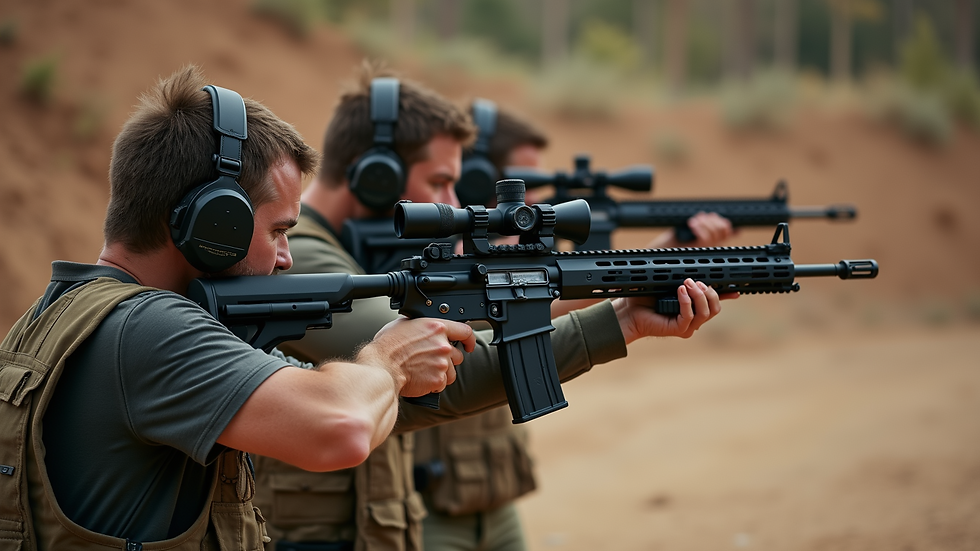
Even with relaxed permit requirements, training remains critical. Many organizations offer courses covering:
Firearm safety
Legal responsibilities
Defensive shooting techniques
Practical Tips for Responsible Concealed Carry
Carrying a concealed firearm is a serious commitment. Here are some practical tips to help you carry responsibly:
Practice regularly - Familiarity with your firearm improves safety and effectiveness.
Dress appropriately - Choose clothing that conceals your weapon without printing (showing the outline).
Be discreet - Avoid drawing attention to your firearm.
Stay informed - Laws change frequently; keep up to date.
Have a plan - Know how you will respond in different situations.
Handling Encounters with Law Enforcement
If you are stopped by police while carrying concealed:
Inform the officer immediately that you are carrying a firearm
Follow their instructions calmly and clearly
Keep your hands visible and avoid sudden movements
This approach helps ensure a safe interaction for everyone involved.
Continuing Your Education and Training
Concealed carry is not a one-time decision but an ongoing responsibility. Consider:
Attending advanced shooting courses
Joining local shooting clubs or organizations
Staying current with legal updates and best practices
Continuous learning enhances your skills and confidence, making you a safer and more responsible carrier.
Understanding the basics of concealed carry empowers you to make informed decisions about your safety and legal responsibilities. Whether you are new to firearms or an experienced shooter, knowledge and preparation are your best tools for responsible concealed carry.


Comments