
Mastering Firearm Safety Essentials: A Comprehensive Guide
When it comes to firearms, safety is not just a priority - it’s a responsibility. Whether you’re new to owning a gun or have been carrying for years, mastering firearm safety essentials is crucial. I’ve learned that understanding the basics and practicing them consistently can make all the difference in preventing accidents and ensuring everyone’s well-being. Let’s walk through the key points together, so you feel confident and prepared every time you handle a firearm.
Understanding Firearm Safety Essentials
Firearm safety is built on a few simple but powerful rules. These rules are designed to protect you and those around you. Here’s what I always keep in mind:
Treat every firearm as if it is loaded, and always perform a clearance check every time that you pick it up. Even if you believe it’s empty, always handle it with care as accidents do happen. Once it is in your hands, you are responsible.
Never point the firearm at anything you do not intend to shoot. This means being aware of your muzzle direction at all times, as accidents do happen.
Keep your finger off the trigger and outside of the trigger guard until you are on target and ready to shoot. Rest your finger outside the trigger guard and pointed down the slide.
Be sure of your target and what is beyond it. Bullets can travel far and hit unintended objects or people.
These essentials are not just rules to memorize; they are habits to develop. For example, when I pick up a firearm, I immediately check if it’s loaded. This small action sets the tone for responsible handling.
Practical Tips for Safe Handling
Always unload your firearm when not in use.
Store firearms and ammunition separately in locked containers.
Use trigger locks or other safety devices.
Never handle a firearm under the influence of alcohol or drugs.
By following these steps, you create a safer environment for yourself and others.
Why Taking a Firearms Safety Course Matters
If you’re serious about mastering firearm safety essentials, enrolling in a firearms safety course is one of the best decisions you can make. These courses provide hands-on training, expert guidance, and the chance to ask questions in a supportive setting.
I remember when I took my first course - it was eye-opening. The instructor emphasized not just the rules but the mindset behind safe gun ownership. You learn how to handle different types of firearms, practice safe loading and unloading, and understand legal responsibilities.
Courses also cover emergency situations, like what to do if a firearm malfunctions or if you encounter a threat. This knowledge builds confidence and reduces anxiety when carrying or using a gun.
What to Expect in a Firearms Safety Course
Detailed instruction on firearm mechanics and operation.
Live-fire practice under supervision.
Legal overview of firearm ownership and concealed carry.
Safety drills and scenario-based training.
Taking this step shows your commitment to being a responsible gun owner.

Safe Storage and Transportation of Firearms
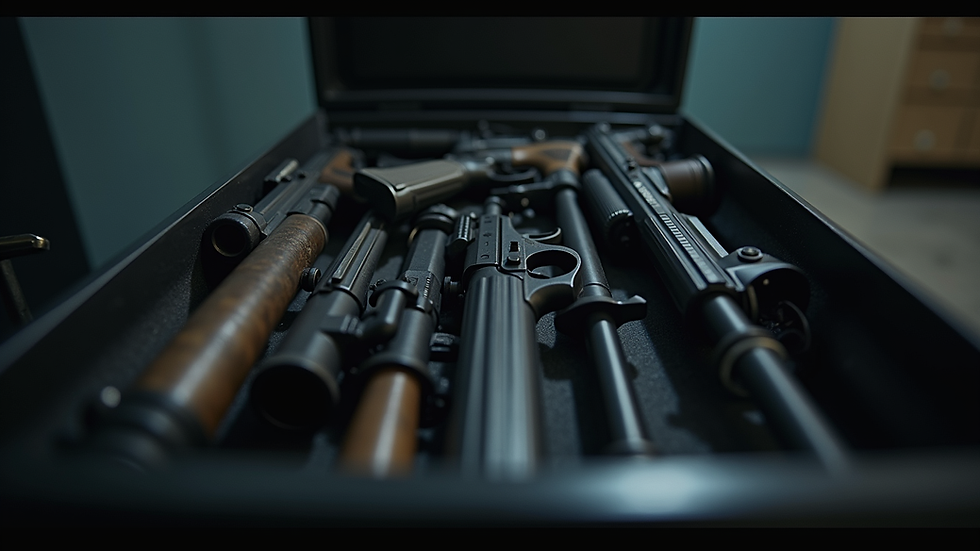
Mastering firearm safety essentials doesn’t stop at handling. How you store and transport your firearms is just as important. Safe storage prevents unauthorized access, especially by children or visitors.
Here are some practical recommendations I follow:
Use a gun safe or lockbox that is sturdy and tamper-proof.
Store ammunition separately from firearms.
Use cable locks or trigger locks as an extra layer of security.
Keep keys or combinations private and secure.
When transporting firearms, always:
Keep the firearm unloaded, unless you have a concealed carry permit for the areas you're traveling.
Store it in a locked container or case.
Follow all local and state laws regarding transportation.
By taking these precautions, you reduce the risk of accidents and theft.
Building Confidence Through Practice and Education
Safety is not a one-time lesson; it’s an ongoing commitment. Regular practice and continued education help you stay sharp and confident. I recommend:
Scheduling regular range sessions to practice shooting skills.
Reviewing safety rules before each session.
Attending refresher courses or advanced training.
Staying informed about changes in firearm laws.
Confidence comes from knowing you can handle your firearm safely and effectively. This mindset is essential whether you carry for personal protection or sport shooting.
Final Thoughts on Firearm Safety Essentials
Mastering firearm safety essentials is a journey, not a destination. It requires dedication, respect for the tool, and a willingness to learn. By following the core safety rules, taking a quality firearms safety course, and practicing responsible storage and handling, you set yourself up for success.
Remember, safety is about protecting yourself and those around you. It’s about being prepared and making smart choices every time you pick up your firearm. Stay safe, stay informed, and keep honing your skills.
Your commitment to firearm safety is the foundation of responsible gun ownership. Let’s keep that foundation strong together.


Comments